





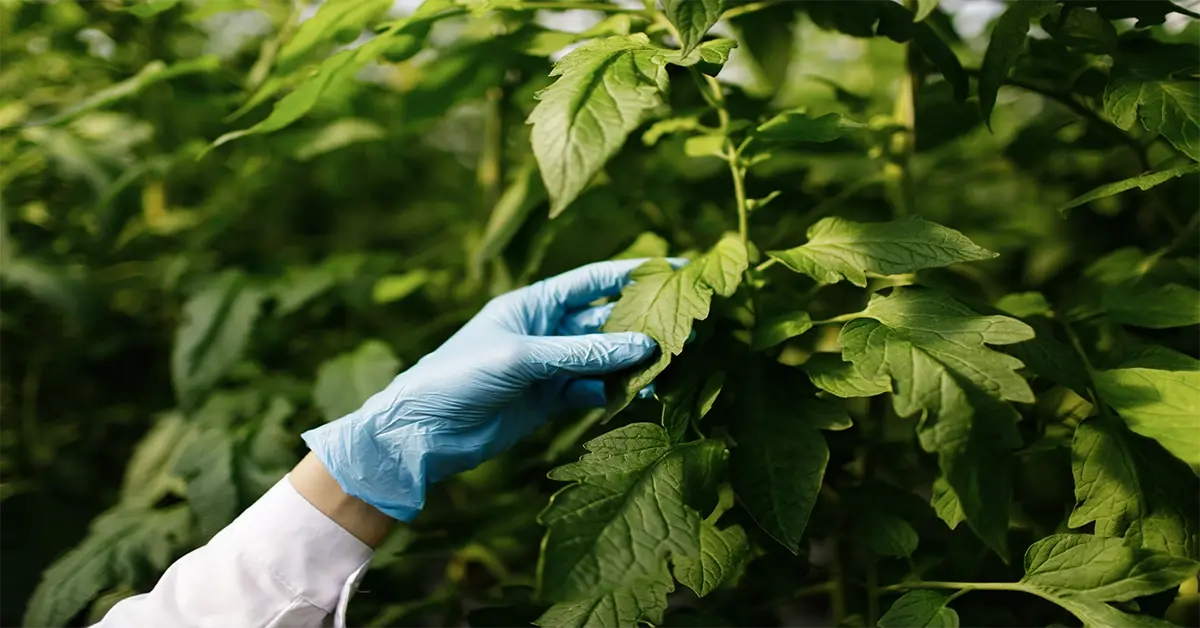
Navigating climate volatility through smarter plant health decisions and enhancing plant health through advanced sequencing approaches.
By: Tatiana Mituti and Joseane Carvalho.
Phytosanitary diagnostics have benefited from an integrated set of molecular technologies capable of providing greater precision, speed, and sensitivity in the detection of plant pests and pathogens. Among these tools, Sanger sequencing, fragment analysis by capillary electrophoresis, and Next-Generation Sequencing (NGS), including nanopore sequencing, and when combined, they expand the scope and efficiency of surveillance and phytosanitary management programs.
Fragment analysis by capillary electrophoresis enables the detection of polymorphisms, multi-target profiles, and pathogen variants. Widely used in multiplex PCR and in studies of genetic diversity in plants, this technique is essential for tracking phytopathogen populations, differentiating species and races that are difficult to identify morphologically, and identifying genetic purity in cultivars and plant varieties.
One of the major changes comes from the increasing use of NGS, a technology capable of massively sequencing DNA or RNA at high speed. NGS enables the simultaneous detection of multiple pathogens (metagenomics/metabarcoding), identification of emerging organisms, genomic monitoring of genetic variants, identification of bacteria, fungi, viruses, nematodes, insects, mites, and other agents of diseases through genome sequencing and direct diagnostics in complex plant tissues.
It also supports more specific analyses, such as transcriptomics, to evaluate global gene expression patterns in plants or any other organism (plant resistance/susceptibility to phytopathogens, microbial responses to chemical and/or biological control, in field trials, greenhouse assays, or in vitro tests). With deeper analytical capacity and continuously decreasing costs, NGS complements traditional methods and paves the way for advanced phytosanitary surveillance systems.
Some promising technologies for phytosanitary diagnostics include nanopore sequencing (MinION), a platform that allows rapid and portable analysis of nucleic acids (DNA or RNA), as well as metagenomic/metabarcoding approaches using different NGS platforms. The former offers real-time data generation and simultaneous identification of multiple pathogens, while the latter allows comprehensive investigation of the microbiota present in plant and/or soil samples.
Although NGS technologies such as Nanopore Sequencing dominate current discussions, Sanger sequencing remains an important pillar in phytosanitary diagnostics. Its high base-calling accuracy supports targeted analyses, validation of NGS and PCR results, authentication of isolates, and detection of genetic variants for resistance profiling. Because it is internationally accepted, Sanger sequencing is recommended in phytosanitary certification and regulatory audits, and it is widely used in routine analyses.
The evolution of these tools strengthens food security, increases production efficiency, and prepares the agricultural sector for growing challenges such as climate change, emerging outbreaks, and intensified trade. As traditional methods such as Sanger, play essential roles alongside more advanced platforms, phytosanitary diagnostics becomes more comprehensive, robust, and aligned with modern demands.
To learn more about phytosanitary diagnostics or to get a free quote, please contact us.
About Agronômica
AGRONÔMICA is a leading phytosanitary diagnostics laboratory in Brazil, offering integrated solutions that support decision-making by key players in the agricultural sector. We operate in all stages of the agribusiness chain, with services that include the identification of regulated and restrictive pests, by national requirements and international agreements; disease diagnosis and identification of beneficial microorganisms; analysis of biological products and inoculants; efficacy and compatibility testing of chemical and biological pesticides, both under controlled conditions and in the field; as well as physical-chemical and microbiological analyses. All these services are aligned with our commitment to plant health, sector sustainability and the promotion of food security.