





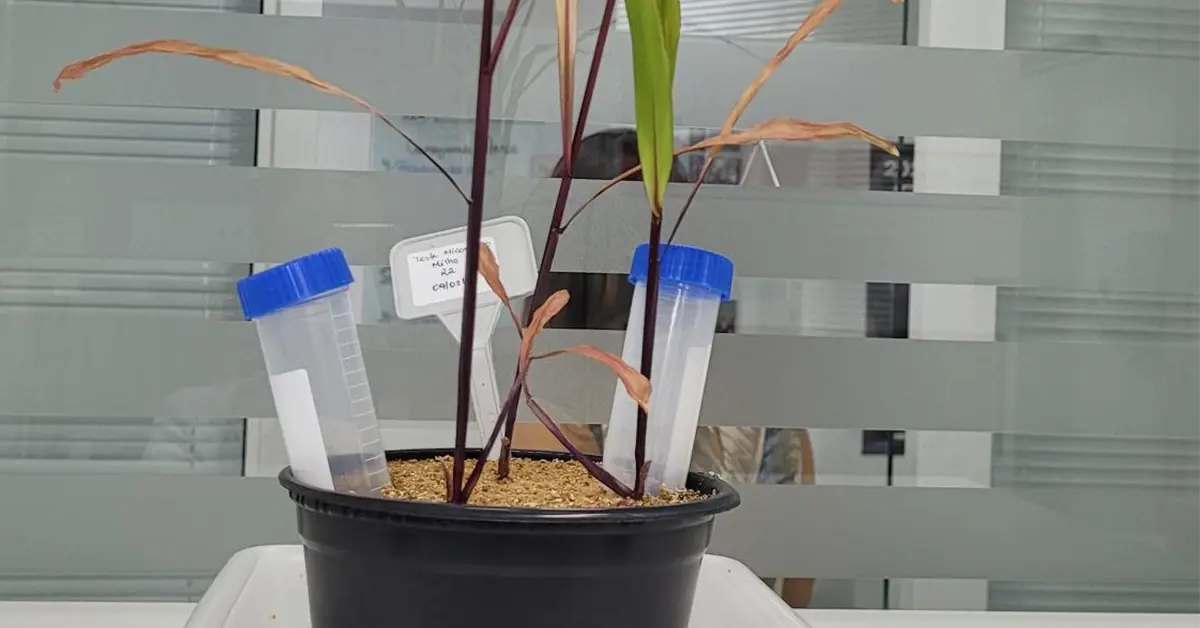
Regulatory advancements and standardized methodologies shaping the future of bio-input analysis in Brazil
By: Rita Santin, Laboratory Coordinator
The recent evolution of the regulatory framework for bio-inputs in Brazil, consolidated by Law No. 15.070/2024 and the Bio-input Methodologies Guide (MAPA, 2025), profoundly redefines the technical criteria for the analysis, validation, and registration of these products. The new scenario promotes methodological standardization, the incorporation of molecular biology tools, and increased requirements for analytical validation, aligning Brazil with international practices and the innovation demands of the sector.
The growth of the bio-inputs market in Brazil has driven the need to update the technical criteria used in its evaluation. The legislation defines bio-inputs as products or processes of biological origin (microbial, plant, or animal), including those derived from biotechnology.
Historically, these products were regulated in a fragmented way, often under legislation applicable to fertilizers or chemical pesticides, which generated regulatory inconsistencies and methodological limitations. The enactment of Law No. 15.070/2024 represents a milestone, as it establishes a specific legal framework for bio-inputs, covering all stages of the production chain, including production, registration, analysis, inspection, and use.
Among the main changes with a direct impact on laboratories, the following stand out: the centralization of regulation in the Ministry of Agriculture, Livestock and Supply (MAPA), the expansion of the scope of products (biocontrol, biofertilizers, biostimulants, inoculants), the possibility of registration for products with multiple functions, and the requirement of more robust technical criteria for proving quality and efficacy.
The publication of the technical guide by the LFDA Network (Bio-inputs Guide, 2025) represents a structural change in the analytical approach to bio-inputs and aims to harmonize methodologies among laboratories, update obsolete techniques, establish uniform criteria for inspection and registration, and replace regulations that have been in force for more than a decade. One of the important points addressed in the Bioinputs Guide is the strain-level identification of the microorganisms that make up the product. This level of characterization is fundamental to guaranteeing the specificity, traceability, efficacy, and safety of the product, avoiding functional variations between genetically close microorganisms.
The Guide incorporates methodologies such as molecular biology and requires the validation of analytical methods (covering precision, accuracy, specificity, and detection limits).
With the expansion of bioinputs, new products are emerging in Brazil, among which arbuscular mycorrhizal fungi (AMF) stand out. The use of mycorrhizal fungi-based products promotes the colonization of roots by mycorrhizae, increasing nutrient absorption, especially phosphorus, stress tolerance, and plant development.
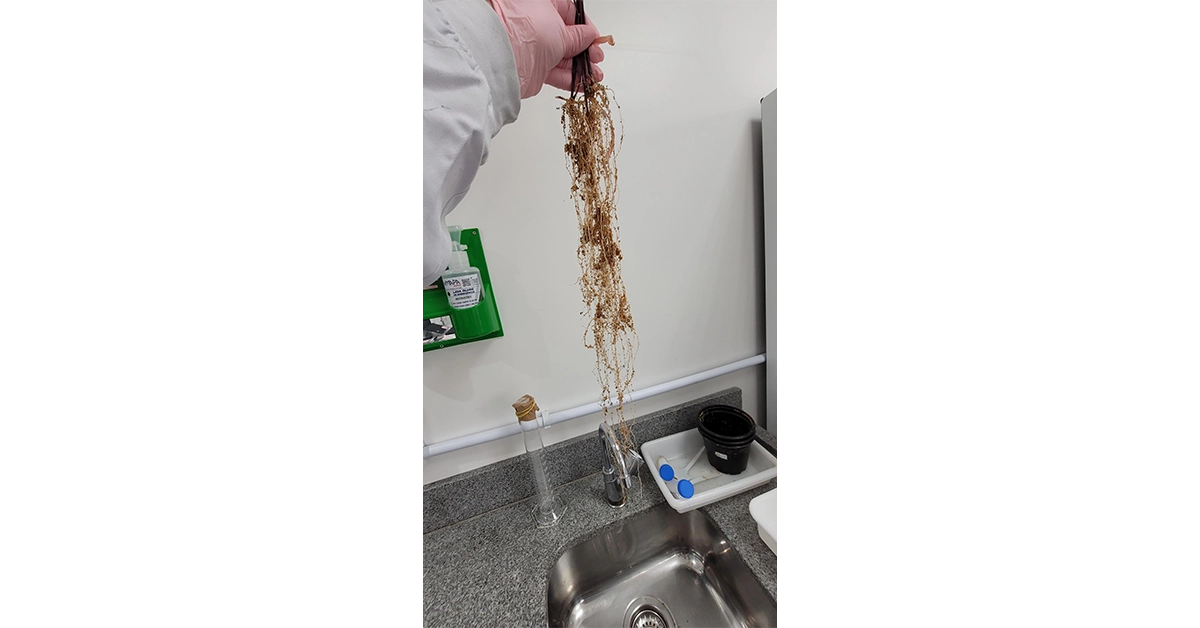
Evaluation of roots with application of mycorrhizal fungi. Agrônomica Laboratory, 2025.
With the updating of methodologies for bioinputs, MAPA reinforces the need to include functional assays in the quality assessment of microbiological products. For arbuscular mycorrhizal fungi, bioassay is considered essential, as the simple quantification of spores does not adequately reflect symbiotic efficiency.
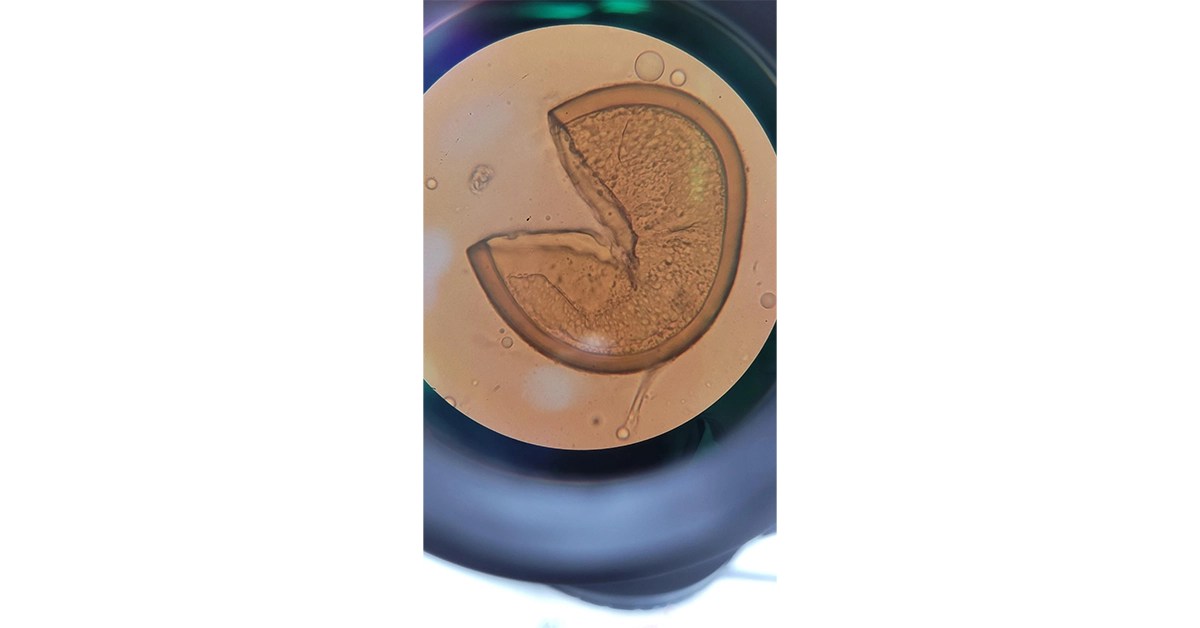
Detail of a Rhizophagus sp. spore. Agrônomica Laboratory, 2025.
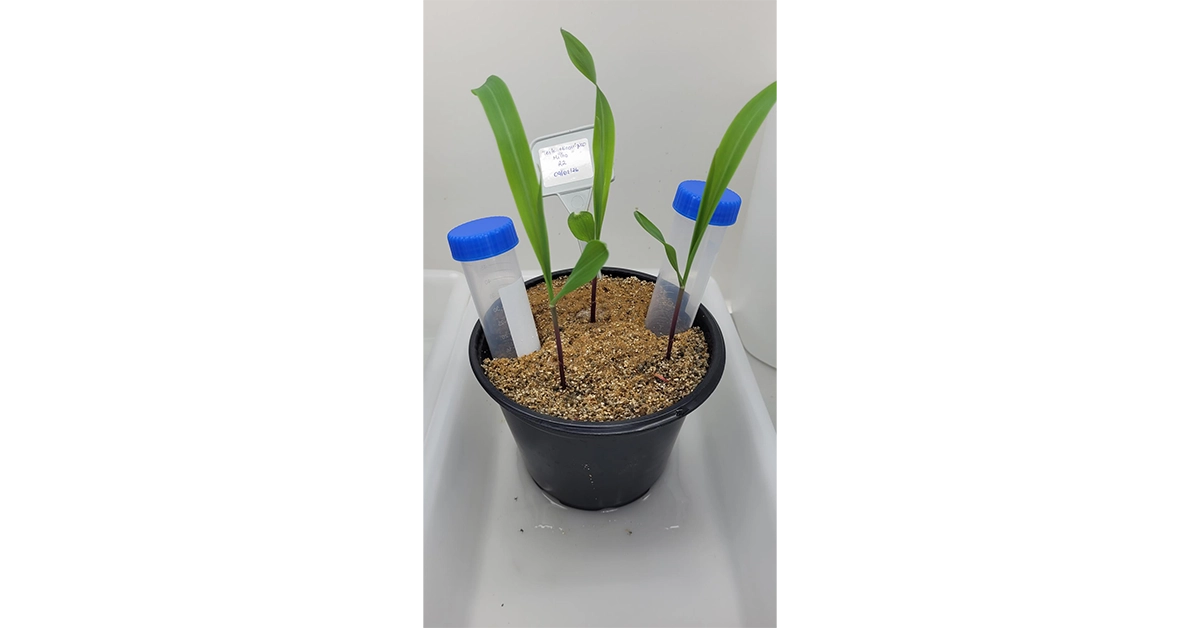
Bioassay for evaluating mycorrhizal colonization. Bioinputs Manual, Agrônomica Laboratory, 2025
The Guide also establishes that laboratories must operate under a quality system in accordance with ISO/IEC 17025, including risk management, internal audits, and non-conformity control.
The regulatory evolution of bio-inputs in Brazil consolidates a technical and standardized scenario, in which the integration between analytical validation, molecular biology, and functional assays becomes essential to guarantee the quality, efficacy, and traceability of these products in the market.
Partner with us to ensure the quality, efficacy, and compliance of your bio-inputs. To request a service, please contact us at: comercial@agronomicabr.com.br
About Agronômica
AGRONÔMICA is a leading phytosanitary diagnostics laboratory in Brazil, offering integrated solutions that support decision-making by key players in the agricultural sector. We operate in all stages of the agribusiness chain, with services that include the identification of regulated and restrictive pests, by national requirements and international agreements; disease diagnosis and identification of beneficial microorganisms; analysis of biological products and inoculants; efficacy and compatibility testing of chemical and biological pesticides, both under controlled conditions and in the field; as well as physical-chemical and microbiological analyses. All these services are aligned with our commitment to plant health, sector sustainability and the promotion of food security.